How to brief a corporate film that does not feel like a template
Replace vague requests for originality with specific audience questions, evidence and shot choices. Give the production team a brief they can act on.
Published: 2026-11-16
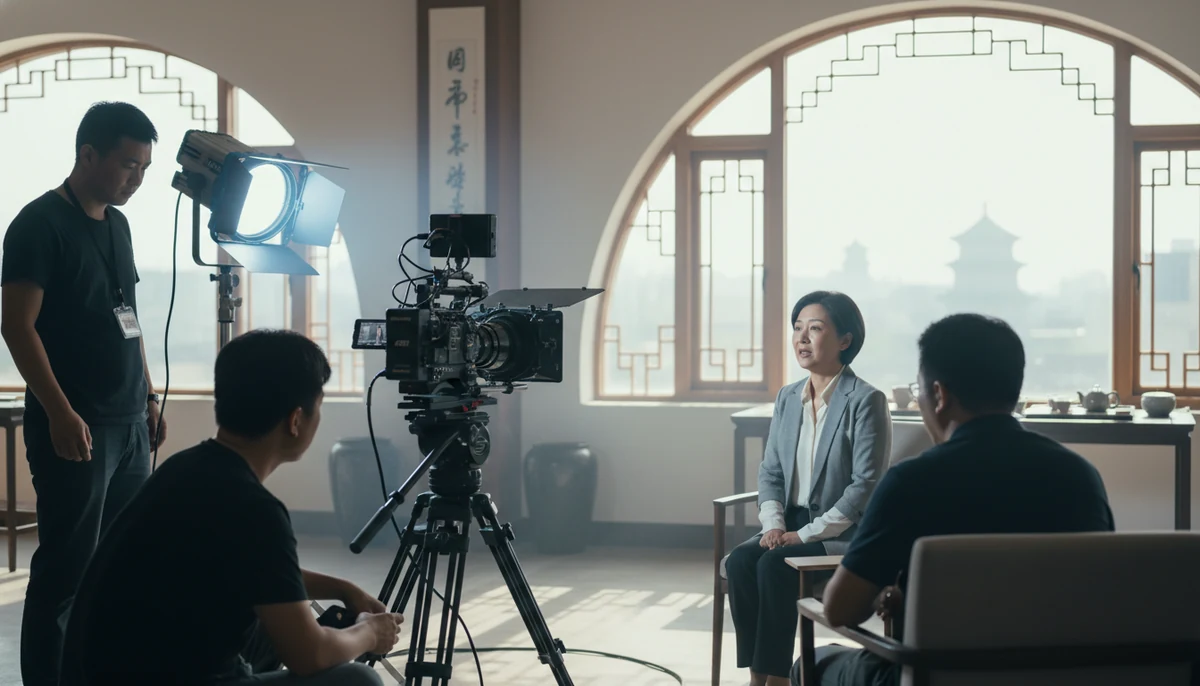
“Make it less generic” or “be more creative” gives a production team little guidance about what to change. Start by identifying the images that feel familiar and explaining what they fail to communicate about the business. Then state what the audience should remember. Turning an abstract preference into a discussion about specific shots makes it possible to compare ideas without guessing what “premium” or “different” means.
Identify what makes the idea feel familiar
Mark the relevant passages in the proposal or reference film. Is it the opening aerial shot, a meeting and handshake, a rapid factory montage, or narration built around adjectives that could describe any company? Explain which question remains unanswered. “I do not like the aerial shot” is a preference; “this aerial shot does not explain the problem we solve for customers” identifies a gap between the image and its purpose.
Explain what you take from a reference: the camera’s distance from people, the lighting, the pace of the story or the camera movement. A reference film need not become a template to copy. A collection of very different screenshots is also difficult to use without notes on what you like and dislike.
Use audience questions to set the creative direction
Answer three questions first: who is the film for, where will it be shown, and what does the viewer most need to understand? A procurement manager discovering the company needs a different information sequence from an existing customer learning about a new service. Then list the real material that can support the difference you want to show: service steps, product structure, actual working environments or confirmed business information.
Here is a hypothetical exercise, not a real client example. An industrial equipment service company finds a proposal built around factory aerials, equipment close-ups and a team photograph too familiar. Instead of asking only for more spectacular shots, it could explain that procurement staff need to understand how the team receives an equipment fault report, assesses it and communicates the response. The company must confirm the actual process. Unsupported claims about speed or results do not belong in the script.
Connect each objection to the information you want instead
A short feedback list can help:
- Expression to avoid: for example, a succession of office, meeting and handshake shots.
- Reason: these images do not explain the company’s service process.
- What the viewer should understand: how the team receives a request, assesses the problem and begins work.
- Available evidence: real process documents, filmable situations or an explanation confirmed by the responsible person.
- Tone to retain: for example, restrained, direct and close to everyday work, without copying one reference film.
This does not prescribe every shot for the director. It sets the information the creative work must preserve. The production team can then explain the locations, people, material and post-production work each approach needs. If a proposed distinction has no evidence that can be shared publicly, use a clearly labelled process demonstration or leave it pending confirmation.
Test the difference through a key sequence
Compare more than proposal covers and mood reels. Choose a sequence that best expresses the intended difference. Ask each proposal to explain what the viewer sees, why the shots are arranged that way and which facts support them. Two approaches to a service process might follow a problem from its appearance to its diagnosis, or connect different stages through an interview. Compare the questions they answer, not just how visually busy they are.
Check whether the most demanding scene is practical. If an idea depends on a special location, operating equipment or a customer’s premises, establish permissions and shooting conditions early. Discuss an alternative while access remains uncertain. Avoid presenting an unconfirmed business process as a real commitment merely to escape a familiar visual formula.
Turn review comments into actions
Record the central information to retain, shots to replace, material still to confirm and the person responsible for each confirmation. Judge the revision by what the viewer will understand. Replacing an aerial shot with fast camera movement may change the form while leaving the lack of specific information untouched.
Use our approach to comparing commercial concepts to establish shared review criteria. Our corporate film production services also provide a starting point for defining the audience and scope.
WeChat: 18121248012 · q1210865781@gmail.com