How to use humour in a commercial without losing the product
Make the joke support the product, its use or the brand’s character. Review the storyboard and rough cut for what viewers actually understand and remember.
Published: 2026-11-11
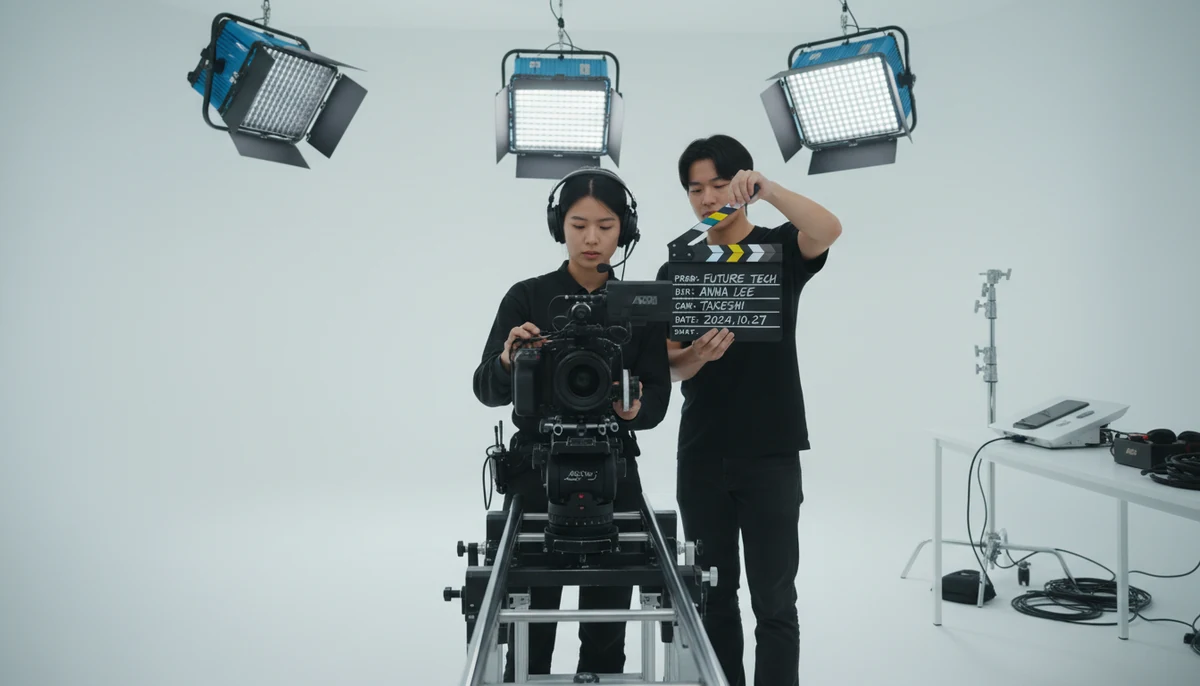
Humour can make a commercial memorable, but viewers should still know what it is advertising once the joke has landed. Ask whether the humour helps explain the product, its use or the brand’s character. If removing the product leaves the joke intact, or removing the joke makes the product message clearer, reconsider the balance.
Decide what the film should make people remember
Before writing the joke, state the film’s main task in one sentence. Should viewers recognise the product, understand a feature or remember a particular brand voice? Give the humour a specific role, such as revealing a small frustration, showing a character’s reaction or making the product’s arrival feel natural. Being entertaining is not a substitute for explaining the product.
Be clear about the target of the joke. A small situation or a character’s mistaken assumption can be funny without making consumers, occupations, ages, regions or physical characteristics the punchline. Ridicule can alienate the intended audience and give the brand a tone it did not intend.
Test the link between the joke and the product
This is a hypothetical exercise, not a real client or product example. An advertisement for a desktop organiser aims to show how it keeps frequently used items together. A character searches the desk for a pen, then finds it in the organiser where they put it. The humour comes from having tidied up and forgotten where things went. Clear demonstration shots still need to show what the product is and how it is used. The joke is not evidence of an unconfirmed sorting or loss-prevention feature.
Review the situation without its punchline: can viewers still understand the product’s purpose? Then look at the joke alone: does it relate to using the product? If neither answer is clear, the humour may be decorative. If the product appears hurriedly after an unrelated joke, consider making its use part of what causes or resolves the situation, rather than leaving it until the closing frame.
Control timing and emphasis in the storyboard
Mark the shot where the joke happens, the information viewers need beforehand and the product shot that follows. Reaction shots, pauses and sound can make the joke work, but every shot does not need a twist. Stacking expressions, effects, captions and prop gags can make it difficult to see the brand, product or important action.
Check the storyboard against these questions:
- Before the joke, can viewers understand what the character is doing and the specific situation?
- Does the joke rely on confirmed product features and conditions of use?
- Is there a clear view of the product, brand or central message afterwards?
- Does the humour depend on putting a group of people down, or on a reference the audience may not know?
- Does the central message make sense without sound? In the sound version, do pauses and effects obscure the product sound or narration?
Claims about function, capacity or performance need confirmation from product information or the actual sample. Adjust comic exaggeration if viewers could mistake it for a real capability. Calling something a joke does not remove the need to check the facts.
Test understanding with the rough cut
Ask someone who was not involved in the proposal to watch the cut once, then explain what it advertises, what the joke is and what they believe the product can do. If they remember a line but cannot identify the product, check the information order and product shots around the joke. If they describe a capability the product does not have, revisit the relevant image and wording. This small comprehension check helps find misunderstandings; it is not consumer research or evidence of campaign performance.
Make review notes specific to a point in the edit. “Add a clear view of the complete organiser after the joke, retaining the feature explanation” is easier to act on than “make it funnier” or “less noisy”. For production scope, see our commercial creative and production services. For proposal structure, see how to compare commercial concepts.
WeChat: 18121248012 · q1210865781@gmail.com