How to review sharpness and surface detail in product close-ups
Check focus sharpness, material texture, and product authenticity separately, then verify using confirmed samples, continuous shots, and final export files to avoid masking detail deviations with simple sharpening or lighting effects.
Published: 2026-11-20
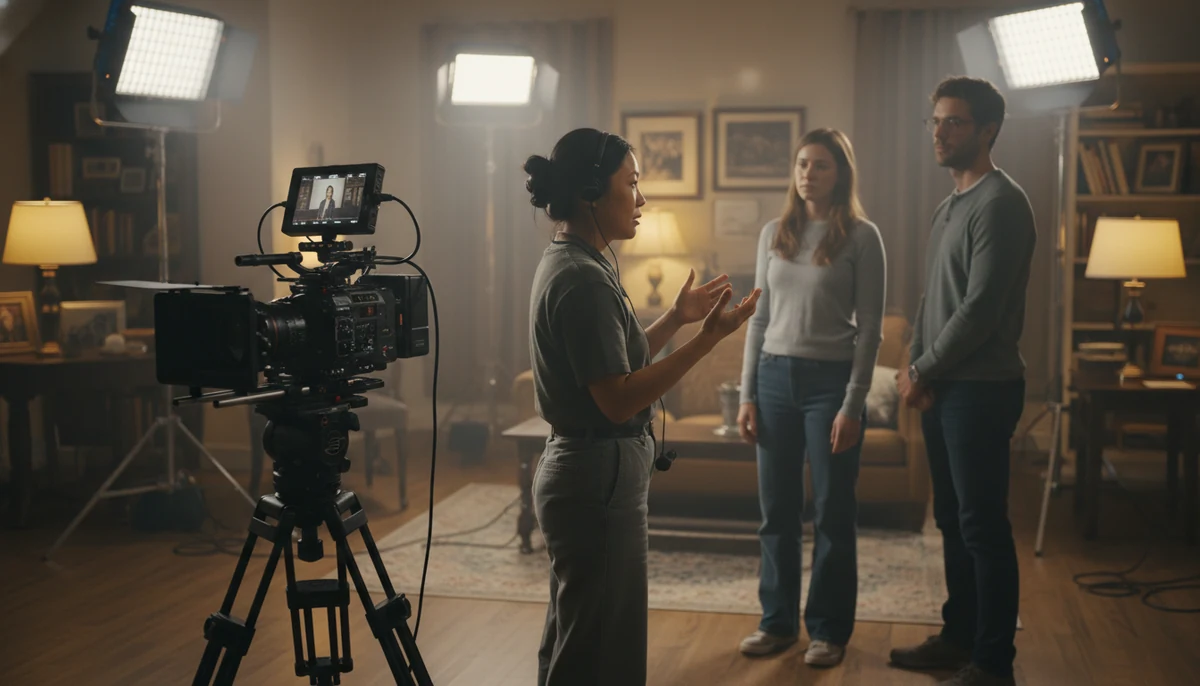
A clear-looking product close-up does not mean the material and details are authentic. During review, separate three issues: whether the focus is on the correct area, whether the surface texture matches the actual product, and whether the appearance remains stable across continuous shots. First establish a basis using confirmed samples or references, then review the original footage and final export; do not request 'more sharpness' based solely on a zoomed-in screenshot.
First clarify what this close-up needs to demonstrate
The task of a close-up may be to show connectors, stitching, or texture, or simply to create a mood. The script or storyboard should specify the details the audience needs to understand and which appearances must match the product. If the shot only provides atmosphere, do not treat it as proof of structure or performance; if a specific part must be seen clearly, provide sufficient screen time and an appropriate angle.
Before acceptance, clearly specify the model, version, surface treatment, and reference materials. Real samples can be photographed under agreed lighting conditions for reference; if only images are available, note the shooting angle and reference version. Metal reflections, fabric patterns, matte plastic, and glass edges react differently to light; unconfirmed renders or online images should not be used as the sole standard.
Distinguish focus, texture, and 'looking sharp'
First check focus: are the important areas of the product clear, does the depth of field blur parts that should not be blurred, and does the focus drift during movement? Then check texture: do the details seen when zoomed in match the sample, and are there non-existent grains, regular repeating patterns, broken edges, or flickering details? Finally, check overall sharpness; strong edge contrast may make the image appear sharp, but it cannot restore lost focus, motion blur, or inaccurate texture.
The following is a hypothetical review exercise, not corresponding to a real client or product: a close-up of a fabric sofa armrest, where the client wants to see the weave and edging. First compare against the confirmed fabric sample to check if the weave direction, edging position, and stitching are consistent under the lighting; then play the preceding and following shots continuously to observe if the texture suddenly becomes coarser, moves, or changes. If local brightness is caused only by light reflection, adjust the lighting or camera position; if the source footage itself is not focused on the stitching, simply increasing sharpening cannot restore authentic details.
Re-verify on continuous playback and final files
Detail close-ups must be viewed within the complete sequence. Pausing frame-by-frame can reveal issues, but also play at normal speed to confirm that movement, focus pulls, reflections, and edit points do not cause sudden material changes. Pay special attention to the start, mid-movement, and end frames, and record any questionable positions as timecodes to avoid feedback that merely states 'texture is insufficient'.
Simultaneously distinguish between shooting footage, color grading or compositing previews, and final encoded files. Export settings, playback software, and screens may affect the perception of details, so when re-verifying, specify the file version, playback method, and device used; also try to use agreed conditions when comparing against samples or references. If texture becomes blurred after compression, first confirm whether the delivered file and encoding meet the agreement, then decide whether to adjust lighting, focus, composition, or output, rather than simply enhancing all details.
Write review comments as actionable acceptance items
- Shot and timecode: Indicate which shot and which moment need checking.
- Reference basis: State the corresponding sample, product version, or confirmed reference file.
- Specific manifestation: Distinguish between out-of-focus, texture mismatch, reflection obstruction, discontinuous movement, or export loss.
- Scope of allowed adjustments: Specify which items can be changed, such as light position, focus, depth of field, color grading, or compositing, and which product details must be preserved.
- Re-verification method: Agree on whether to view single frames or continuous playback, and confirm again on the final file after modifications.
This record translates 'clearer, more textured' into judgments that both parties can check. If existing footage cannot present the required details, discuss reshooting, adjusting shot design, or changing the expression method; do not describe unverified surface effects as product performance. Production methods may differ, but acceptance criteria should still return to authentic product data and the agreed shot purpose.
For shot planning with different materials, seeComparison of production methods for metal and glass product advertisements; if the review also involves the actual size of the product in space, seeMethods for checking proportions in product advertisements. To further plan advertisement shots, learn aboutCommercial video production.
WeChat: 18121248012 · q1210865781@gmail.com